Can PRP Hair Treatment Improve Hair Thickness?

People concerned about gradual hair thinning may wonder whether PRP Hair Treatment Abu Dhabi can help their hair look fuller. Platelet-rich plasma, commonly called PRP, is a treatment that uses a concentrated portion of a person’s own blood. It is applied to the scalp with the aim of supporting hair follicles and encouraging healthier growth. Results vary, however, and PRP is not a guaranteed solution for every type of hair loss.
What PRP Hair Treatment Involves
PRP treatment begins with a small blood sample. The sample is processed to separate the platelet-rich portion from other blood components. This concentrated plasma contains platelets and signaling proteins that play a role in the body’s natural repair processes.
A trained professional then applies the prepared plasma to selected areas of the scalp, often using small injections. The treatment focuses on areas where hair has become finer or less dense. The process is intended to support existing follicles rather than create new ones where follicles are no longer active.
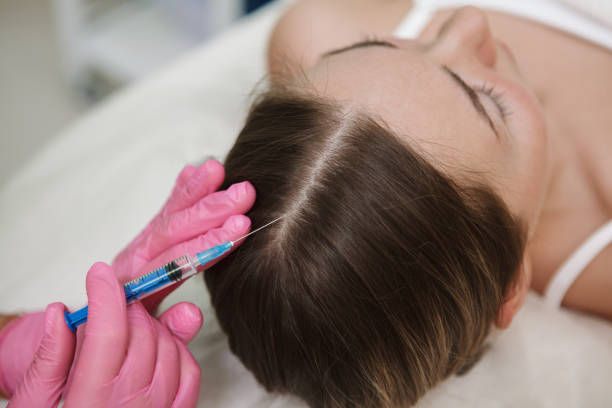
How PRP May Support Hair Thickness
Hair thickness depends on several factors, including the size and activity of hair follicles. When follicles become less productive, individual strands may grow finer, and the scalp may become more visible. PRP may help create conditions that support follicle activity and the growth cycle.
Some people notice that shedding becomes less noticeable or that existing strands appear stronger after a course of treatment. Others may see little change. The response can depend on the cause and duration of hair loss, the condition of the scalp, and how actively the follicles are still producing hair.
PRP is generally considered more suitable for thinning hair than for completely bare areas. A professional assessment can help determine whether the pattern of hair loss is likely to respond.
Who May Consider PRP
PRP may be considered by adults experiencing early or moderate thinning, particularly when follicles remain active. It may also be discussed when hair density has gradually decreased and the scalp shows no signs of an underlying condition that needs a different approach.
A consultation is important because hair loss can have many causes. Changes in hormones, genetics, stress, nutrition, illness, and scalp conditions can all affect growth. Identifying the likely cause helps set realistic expectations and determine whether PRP is an appropriate option.
What to Expect During a Treatment Course
PRP is usually planned as a series of sessions rather than a single appointment. The number and timing of sessions depend on the individual’s assessment and response. A professional may also recommend follow-up visits to review progress and decide whether further sessions are suitable.
Hair grows slowly, so visible changes are not usually immediate. People may need to wait several months before judging whether density or strand quality has changed. Progress can be subtle, and photographs taken under similar lighting may make it easier to compare changes over time.
Factors That Can Influence Results
Several factors can shape the outcome of PRP treatment:
The cause and pattern of hair thinning
How long the thinning has been present
Whether the follicles remain active
The person’s general health and hair-growth cycle
Consistency with the recommended treatment schedule
Individual differences in response
These factors mean that two people receiving similar treatment may experience different results. A careful assessment and realistic expectations are therefore essential.
PRP Compared With Other Hair-Loss Approaches
PRP is one option among several approaches to hair thinning. Depending on the cause, a professional may discuss medical evaluation, changes to address an underlying health issue, or other hair-restoration methods. PRP may sometimes be considered alongside another suitable approach, but combining treatments should be guided by a qualified professional.
The right choice depends on the person’s goals, the pattern of thinning, and the condition of the scalp. PRP should not be viewed as a universal treatment or a substitute for investigating sudden or unexplained hair loss.
Questions to Discuss Before Treatment
Before beginning PRP, a person can ask how the treatment is prepared and performed, how many sessions may be recommended, and when progress will be reviewed. It is also helpful to ask what level of improvement is realistic for the specific pattern of thinning.
A professional should explain whether the person’s hair-loss pattern appears suitable for PRP and whether further evaluation may be needed. Clear answers can help someone make an informed decision without expecting an identical result to someone else’s.
Frequently Asked Questions
Can PRP make hair thicker?
PRP may support existing follicles and may improve the appearance of hair density for some people. It cannot guarantee thicker hair, and results differ according to the cause of thinning and the condition of the follicles.
How long does it take to notice a change?
Hair growth takes time. Some people may begin to notice changes after several months, while others may see limited improvement. A professional can suggest when progress should be assessed.
Is PRP suitable for every type of hair loss?
No. PRP may be more appropriate for certain patterns of thinning where follicles remain active. Hair loss caused by a scalp condition or another health issue may require a different evaluation or approach.
Does PRP create new hair follicles?
PRP is intended to support existing follicles. It does not create new follicles in areas where they are no longer present, so it may be less helpful for completely bare areas.
How can someone know whether PRP is appropriate?
A consultation can review the person’s hair-loss pattern, scalp condition, and health history. This assessment helps determine whether PRP is a reasonable option and what outcome may be realistic.
A Realistic View of Hair Thickness
PRP may help some people with thinning hair achieve stronger-looking strands or improved density, especially when treatment begins while follicles are still active. Its results are gradual and vary from person to person. A professional assessment, a clear treatment plan, and realistic expectations help people decide whether PRP is suited to their hair goals.


Comments