How Does Mole Removal Target Unwanted Skin Moles?

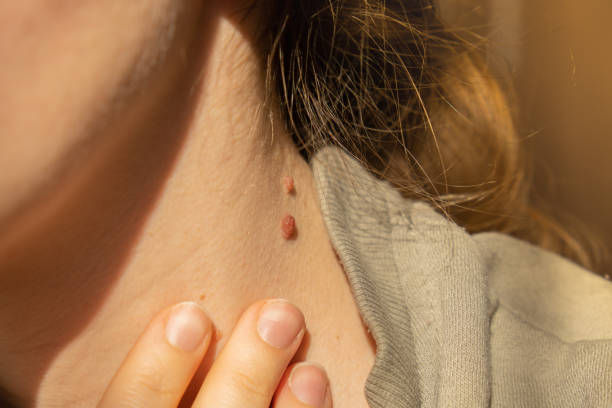
Moles are common skin growths that form when pigment-producing cells gather in one area. They may be flat or raised, light or dark, and can appear anywhere on the body. Some remain unchanged for years, while others become bothersome because of their position, appearance, or repeated friction from clothing. Mole Removal Abu Dhabi generally refers to a clinical process in which a qualified skin professional assesses a mole and selects a suitable method to remove it safely.
The first step is not removal itself but careful evaluation. The professional asks how long the mole has been present, whether it has changed, and whether it causes irritation or discomfort. They also examine its size, shape, colour, surface, and location. This assessment helps distinguish a mole that may be suitable for a cosmetic procedure from one that needs further investigation.
Why Assessment Comes First
A mole’s appearance alone cannot always establish what it is. If it has changed noticeably, looks different from other moles, or has an irregular appearance, the professional may recommend closer examination before considering removal. This matters because a suspicious growth should be assessed for health reasons rather than treated as a purely cosmetic concern.
Depending on the findings, the professional may use a magnifying examination or recommend that a sample be examined in a laboratory. Not every mole requires testing, but the decision depends on its features and the person’s history. A careful assessment helps guide the next step and supports an appropriate treatment plan.
How the Removal Method Is Selected
The choice of technique depends on the mole’s depth, size, shape, location, and clinical features. The person’s skin characteristics and preferences may also be considered. A professional explains what the selected method involves, whether a sample will be sent for examination, and what kind of mark may remain as the area heals.
Surgical Excision
Surgical excision removes the mole and a small amount of surrounding tissue using a precise cutting technique. It may be considered when a mole extends deeper into the skin or when a full sample is needed for laboratory examination. The area is cleaned and numbed locally before the removal begins.
If the resulting opening is large enough, it may be closed with stitches. The removed tissue can then be examined when appropriate. Excision is different from simply smoothing the skin’s surface: it aims to remove the mole more completely, while the final appearance depends on the mole’s size, depth, location, and the person’s healing.
Shave Removal
Shave removal is often considered for a raised mole that does not extend deeply. After the area is numbed, a small sterile instrument is used to remove the growth close to the skin’s surface. The method may be suitable when a professional has determined that a surface-level approach is appropriate.
The removed tissue may be sent for examination if needed. Because this technique does not always remove deeper cells, the professional explains the possibility that some pigment or raised tissue could remain or return. The suitability of shave removal depends on the assessment rather than appearance alone.
Other Clinical Techniques
Some practices may use specialised methods for selected lesions, but not every technique is appropriate for every mole. A method that alters or destroys tissue may not provide a complete sample for laboratory review. For this reason, the professional weighs the mole’s features and the need for diagnosis before recommending an approach.
The aim is not simply to make the skin look smoother. It is to choose a method that addresses the person’s concern while respecting the mole’s clinical characteristics. If the mole is not suitable for immediate removal, further assessment may be advised first.
What Happens During the Procedure
Once the plan is agreed, the skin is cleaned and the area is numbed when required. The person may feel pressure or movement, but the area should be less sensitive during the procedure. The chosen technique is then used to remove the mole, and the site is covered as appropriate.
The time involved varies with the method and the mole’s location. Before the procedure, the professional can explain what the person is likely to experience, how the removed tissue will be handled, and when to expect information from any laboratory examination. Clear communication helps the person understand each stage without assuming that all moles are treated in the same way.
Healing and Follow-Up
Healing depends on the removal method, the location of the mole, and individual skin characteristics. The person receives instructions for keeping the area clean and protected, changing dressings if needed, and attending any recommended follow-up. These directions are specific to the procedure, so they should be followed rather than replaced with general advice.
A small mark may remain after the skin has healed, and its appearance can change over time. Follow-up also gives the professional a chance to review healing and discuss any laboratory findings. If a mole appears to return or a new change develops nearby, the person can seek another assessment.
Frequently Asked Questions
Can every mole be removed?
Not necessarily. The professional first considers whether removal is appropriate and whether the mole needs further investigation. Some lesions may be monitored or assessed through another pathway before a removal method is selected.
Will the mole be examined after removal?
That depends on the mole’s features and the professional’s judgement. When examination is recommended, the removed tissue may be sent to a laboratory so its characteristics can be reviewed.
Does removal guarantee that a mark will not remain?
No procedure can guarantee a completely mark-free result. The final appearance depends on factors such as the mole’s depth and location, the method used, and individual healing. The professional can explain what is realistic before treatment.
Can a removed mole return?
Some mole cells may remain after certain surface-level techniques, so regrowth is possible. The likelihood depends on the method and the mole itself. Any returning or changing area should be assessed rather than assumed to be harmless.
A Thoughtful Approach to Mole Removal
Mole removal begins with understanding the growth, not choosing a procedure at random. A careful assessment helps determine whether removal is suitable, which technique may be appropriate, and whether laboratory examination is needed. With clear information and an individual plan, the person can make an informed decision about addressing an unwanted mole while keeping skin health at the centre of the process.



Comments